Workspaces versus Livingspaces
Every city has residential, commercial, and industrial areas.
There is therefore a labor pool and workspaces in each area. For example:
If you have enough commercial and industrial spaces there will be many
spaces to work at if the population is lower than the available workspaces.
A city can accomodate 100,000 laborers if it has 30,000 industrial workspaces
and 82,000 commercial spots. Here you can have full employment since you have a good ratio.
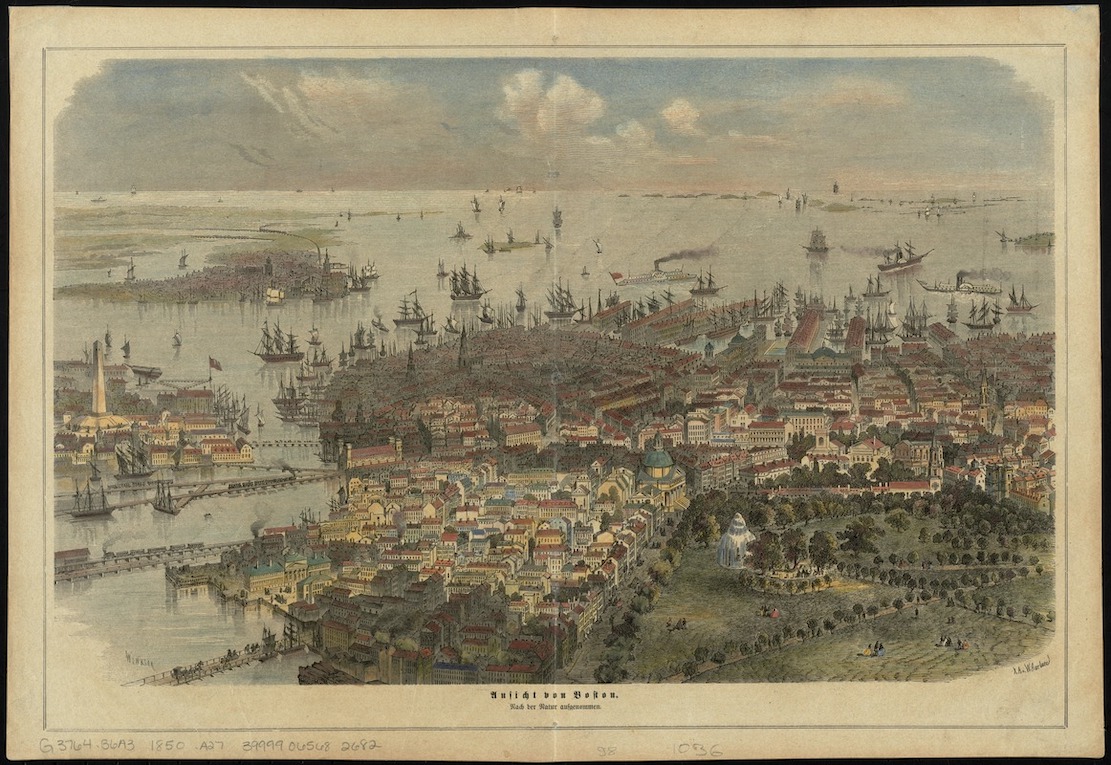
We can see this in 1850's Boston, Massachusetts.
Click on the link below:
In contrast, you can have the industrial spaces be at 5,000 and the commercial
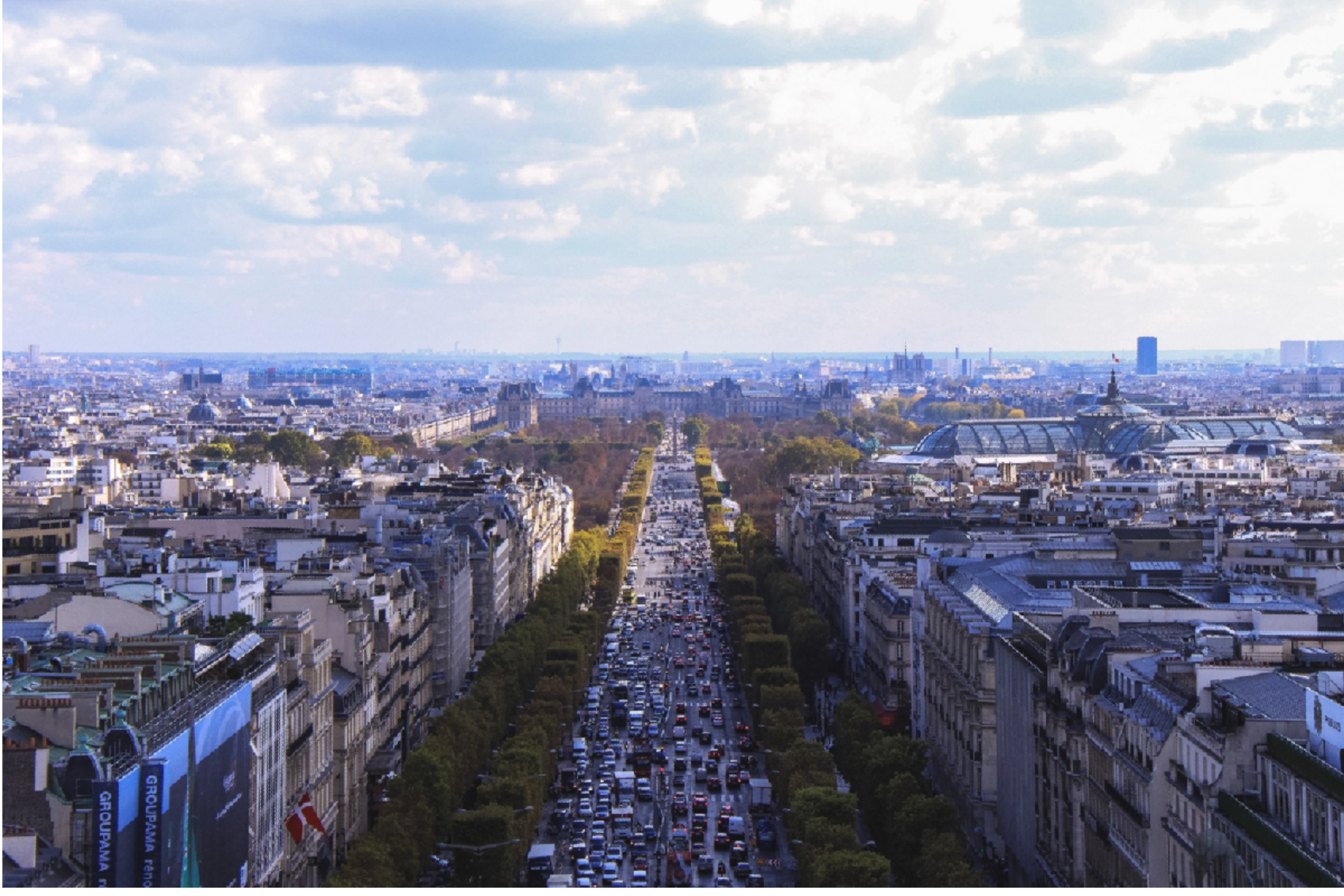
spots 40,000 with a population of 90,000. Then you have massive unemployment. This is evident in places like Paris, France:
If there are many more workspaces than laborers you can create a ghost town because everything will be empty.
You can see this in Flint, Michigan:

© Mark Tweito 2026